
Alex Damasceno
Alex Damasceno is a Professor at the Federal University of Pará (UFPA, Brazil), in the Postgraduate Program in Arts, and in the Graduate Course of Cinema and Audiovisual. He has a PhD in ‘Communication and Information’ from the Federal University of Rio Grande do Sul (UFRGS, Brazil).
This visual essay was produced with the DALL-E 2 software, a text-to-image generative Artificial Intelligence developed by OpenAI.
The procedure was as follows: I chose 12 concepts among the most important theories of the last three centuries in different areas; selected direct quotes from the authors, which would express a more or less central idea of the concept; utilized each quotation as a prompt and asked DALL-E to create images.
In some cases, by processing the barely contextualized information in the quotation, the software created abstract images. In other cases, the software aimed for a figurative representation of some terms in the quotation. When this occurred, I added the expression “abstract style” to the prompt. My goal was that the concept and the image were always united through abstraction. This was the only formal indication, so that DALL-E was free to choose any style that seemed more adequate to represent the text.
My main interest is to precisely comprehend the relations between the conceptual code (the word), the visual code (the surface) and the numeric code (the software programming), inspired mainly on the thought of philosopher Vilém Flusser.[i] Through this visual essay, it is possible to make several interpretations of the artificial intelligence processes: how can AI already trace historical relations between theory and poetics, thought and art; how can it provide clues of not only recognizing, but also appropriating with depth the thoughts of theorists from short quoted excerpts; how it is capable, with considerable coherence, of creating visual symbols for complex thoughts.
Lev Manovich affirms that artificial intelligence acts as a culture theorisst.[ii] Would the text-image generative media not offer us the possibility of a purely conceptual visual art? Would we not be upon an art of the theorists?
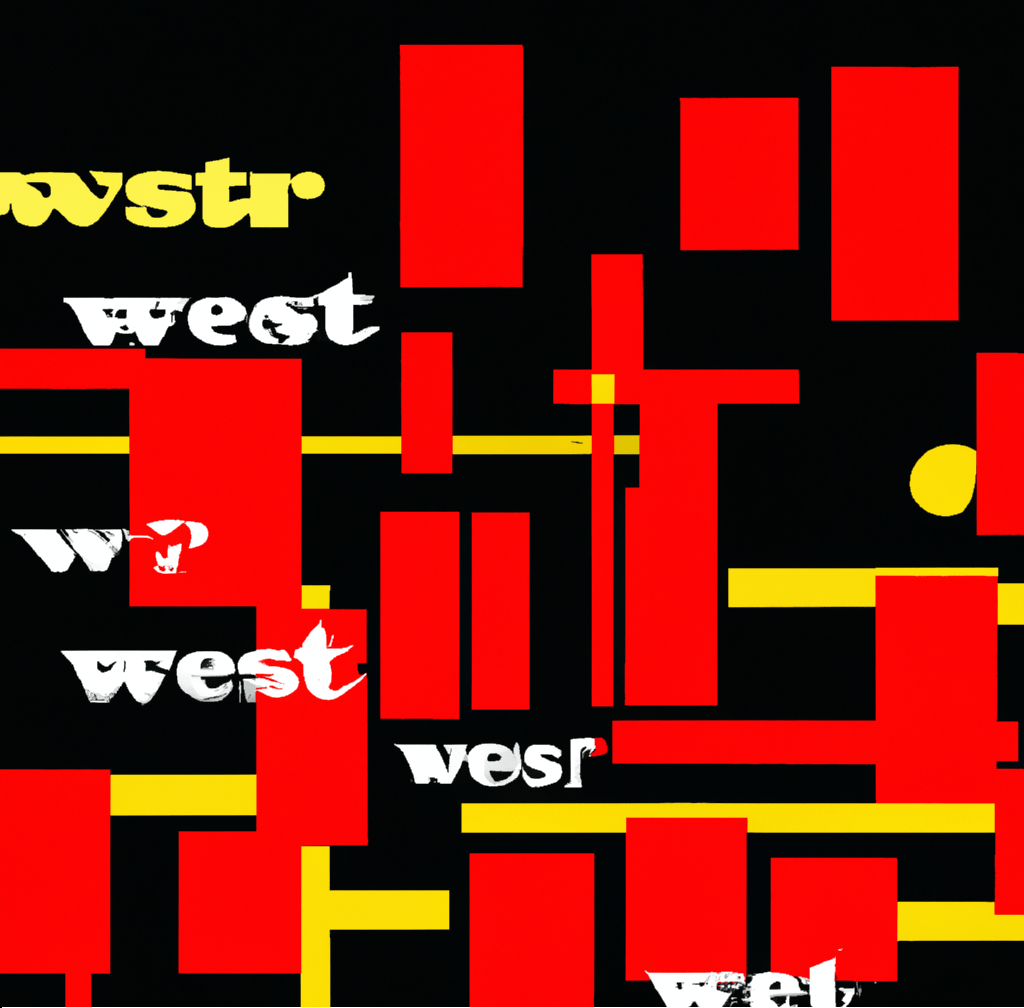
Communism / Karl Marx 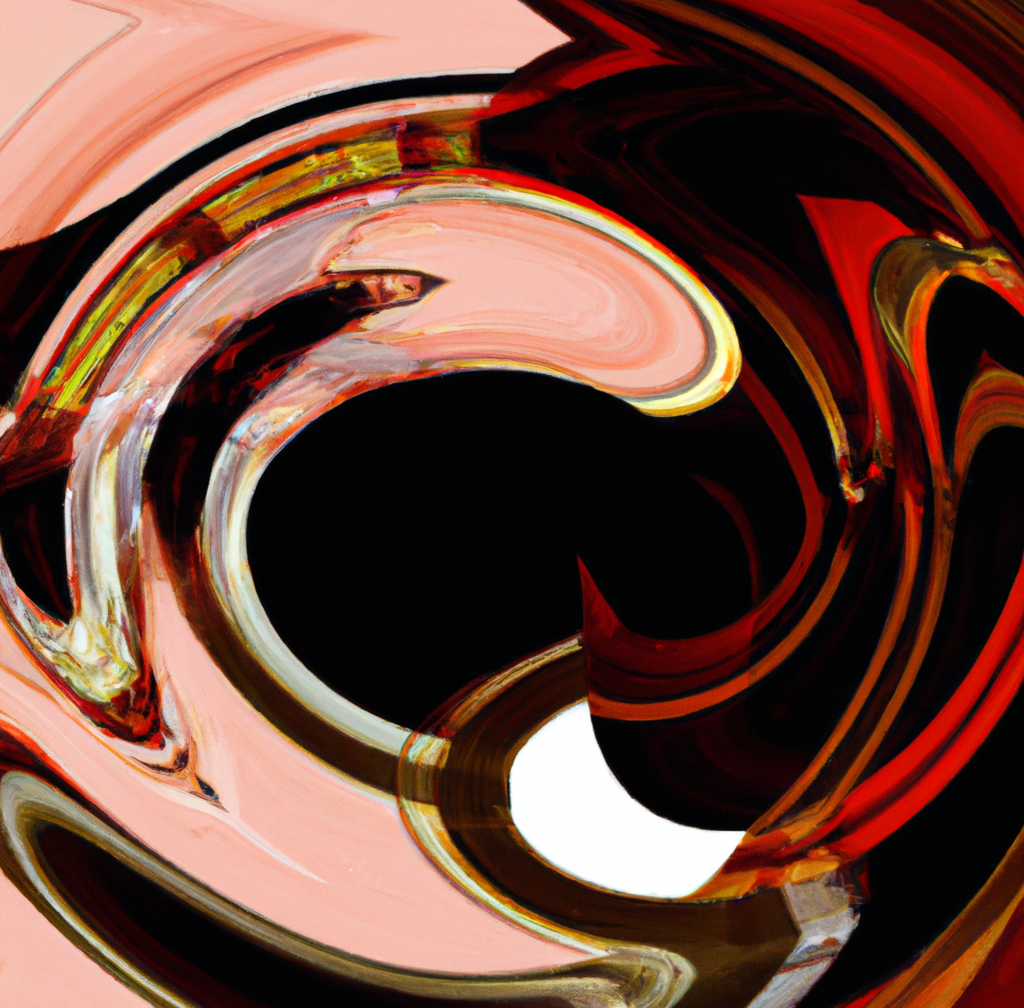
Unconscious / Sigmund Freud 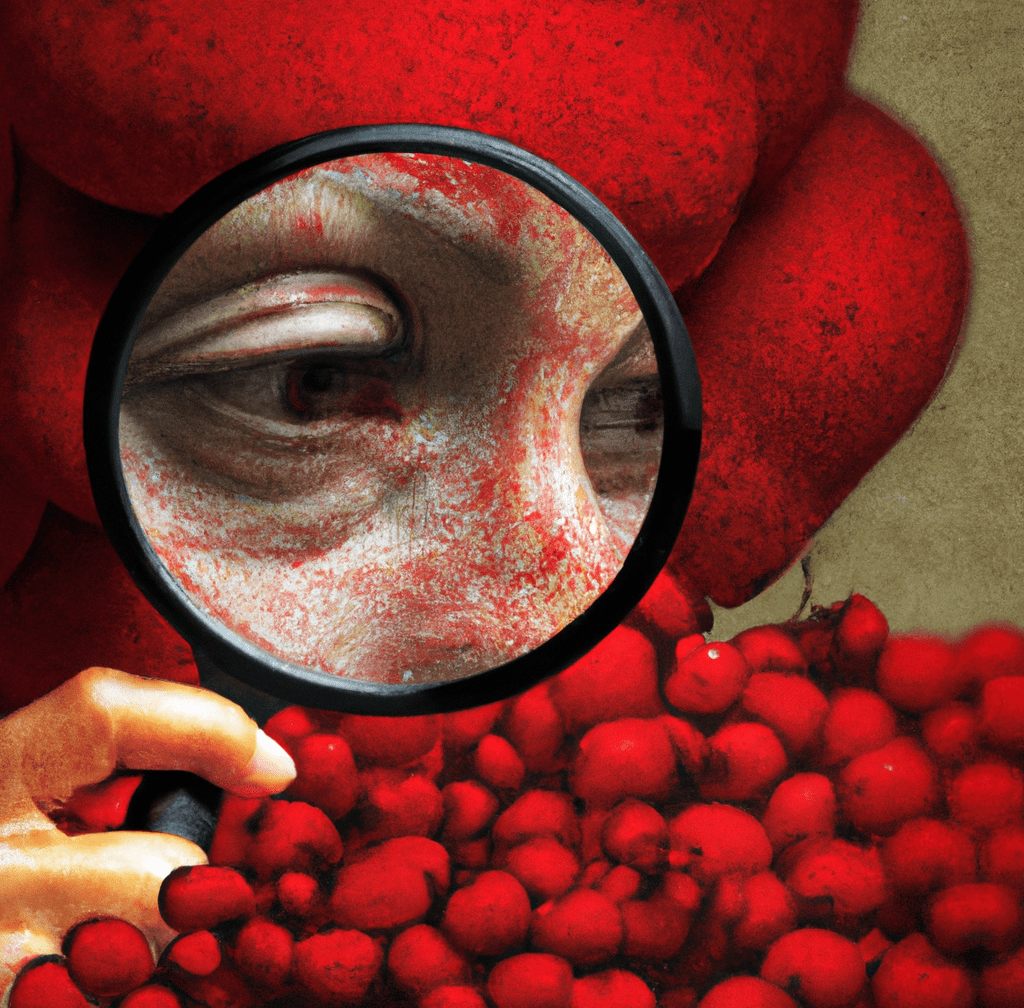
Cultural Identity / Stuart Hall 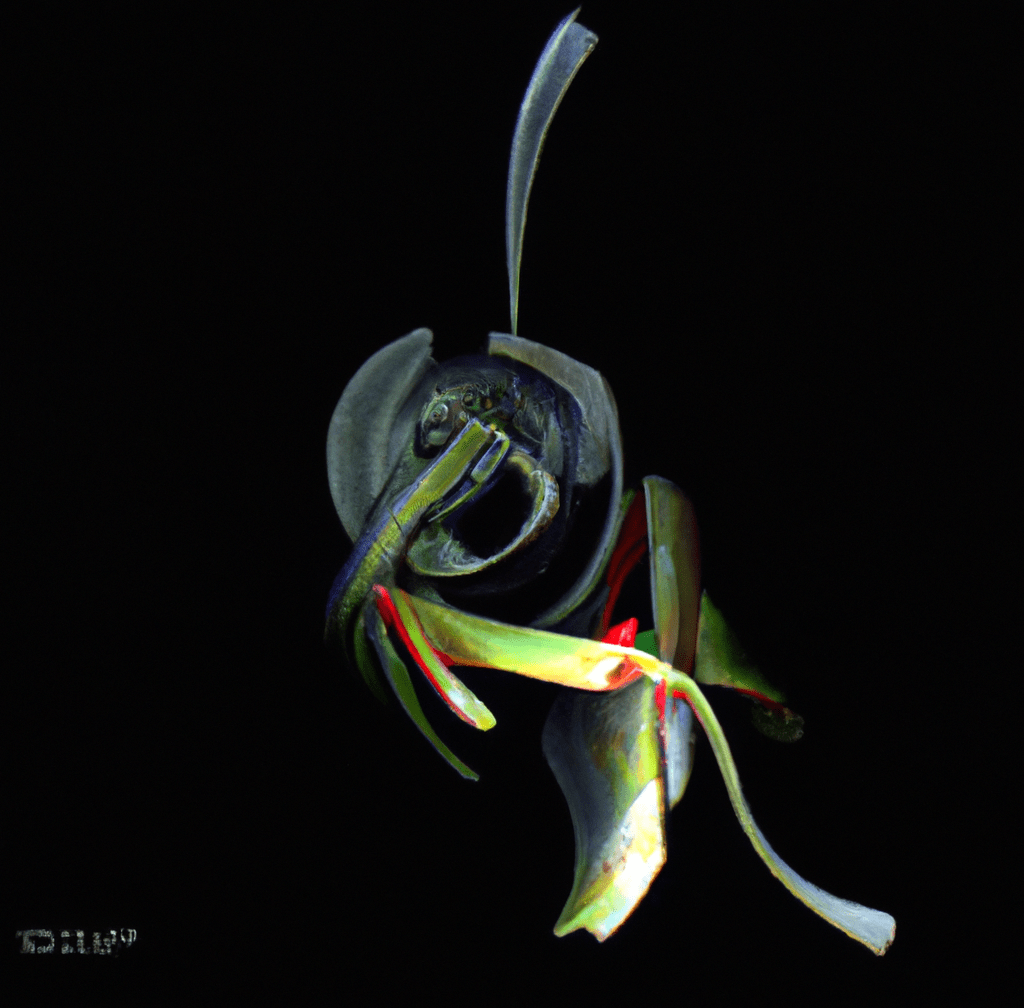
Natural Selection / Charles Darwin 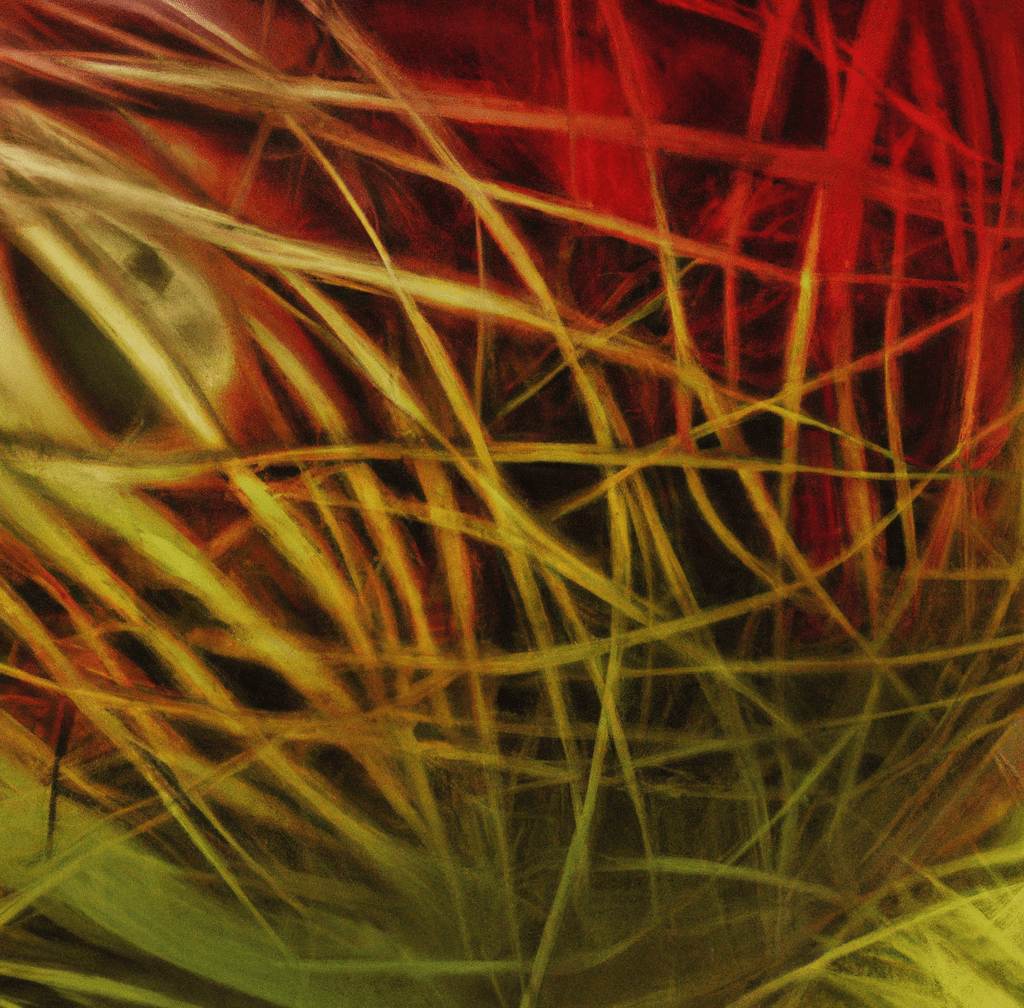
Power / Michel Foucault 
The Banality of Evil / Hannah Arendt 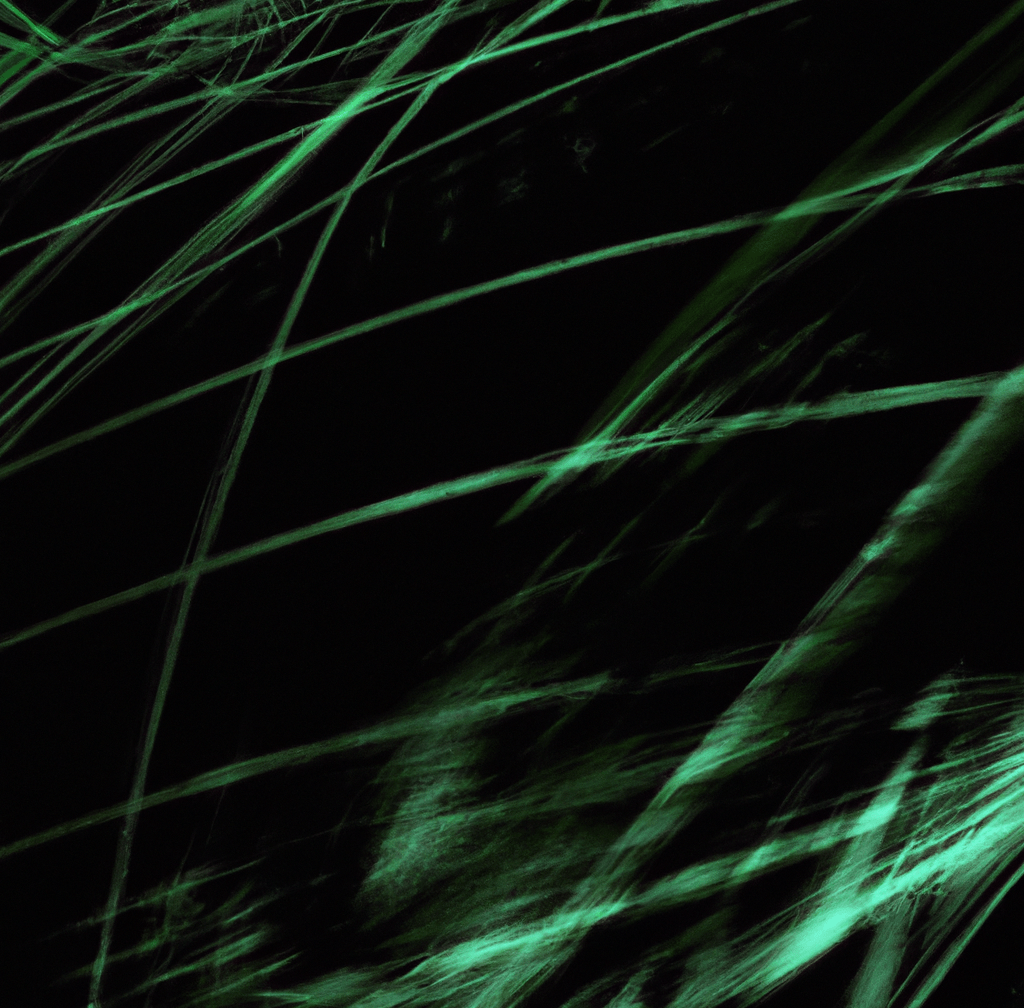
The Principle of Relativity / Albert Einstein 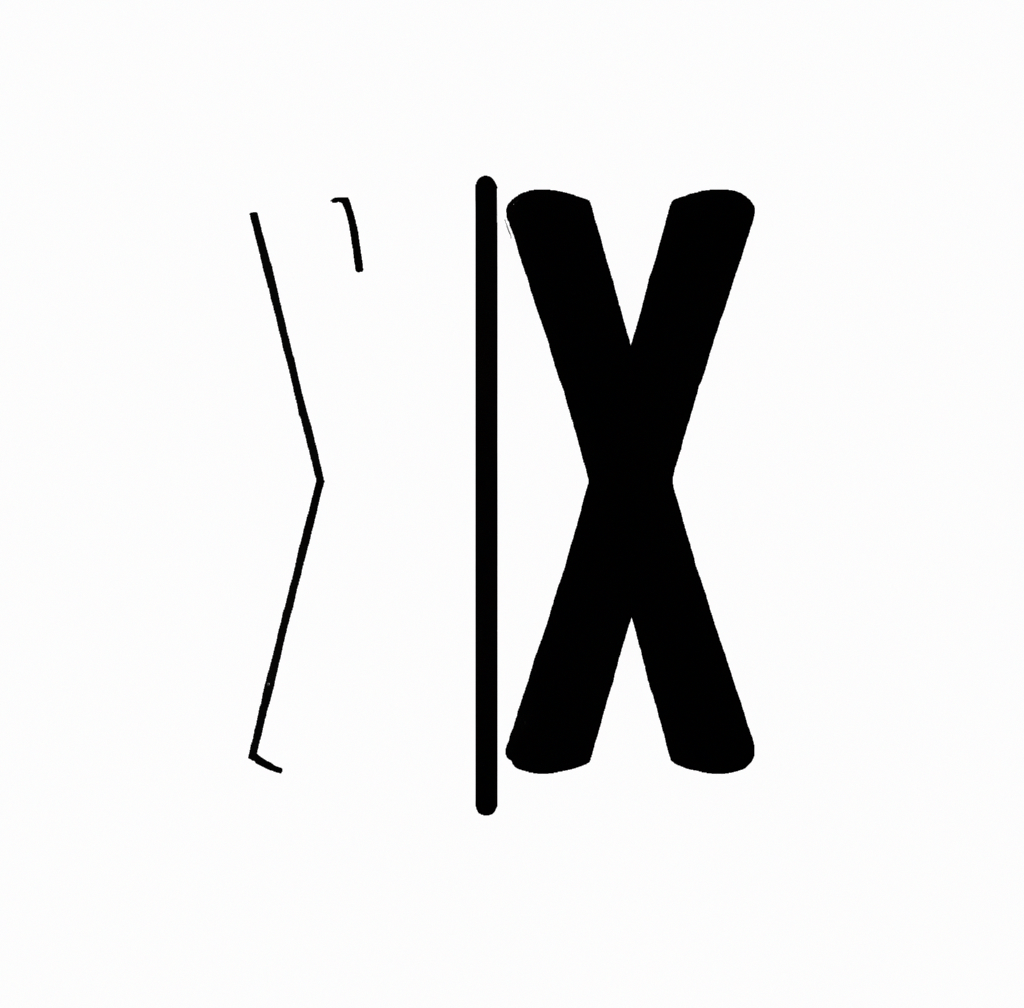
Linguistic Sign / Ferdinand de Saussure 
Intuition / Henri Bergson 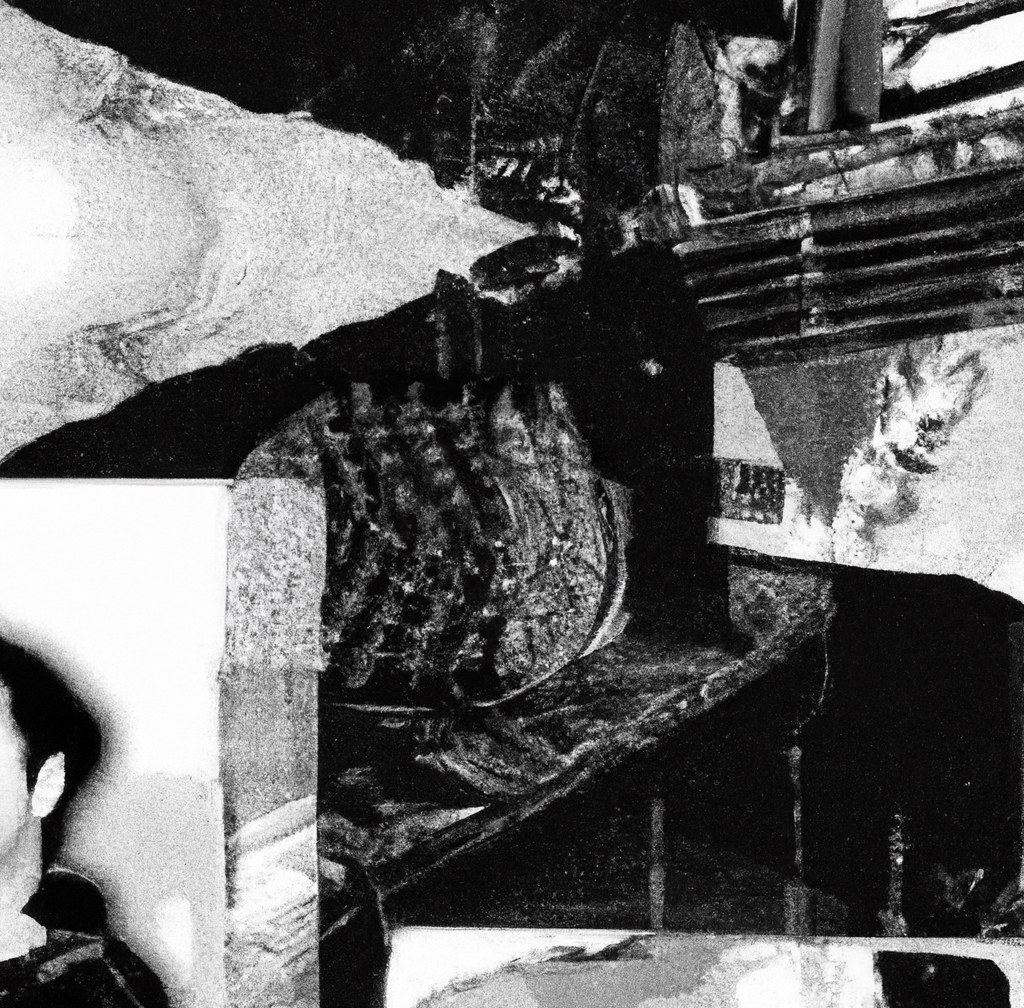
Pedagogy of the Oppressed / Paul Freire 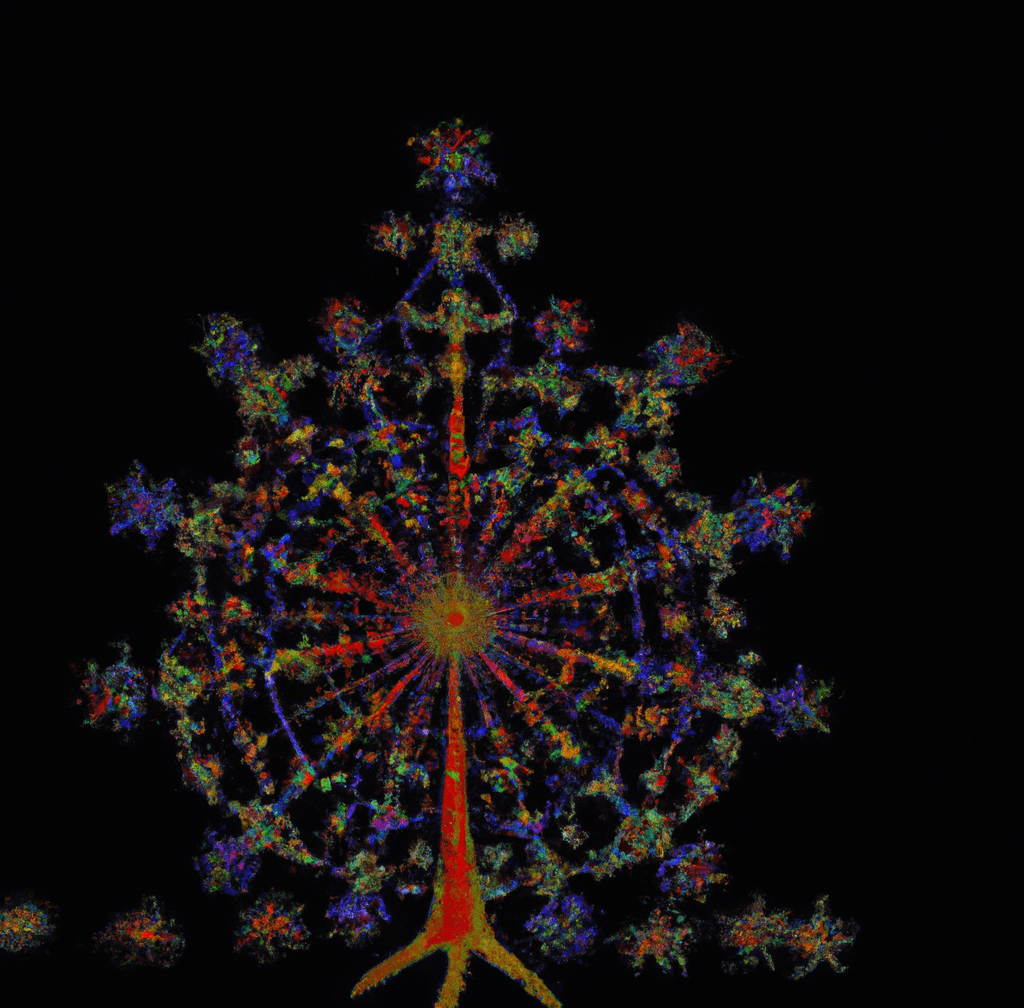
Necropolitics / Achille Mbembe 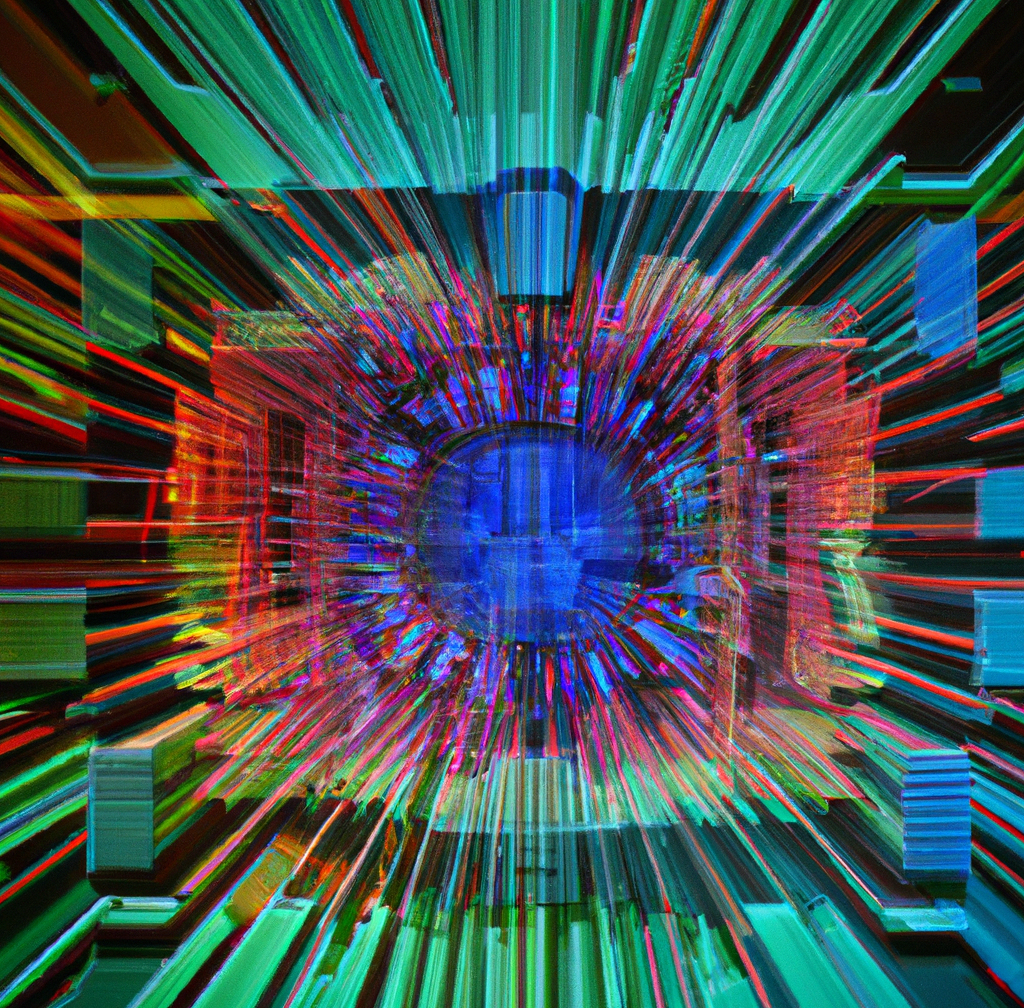
Artificial Intelligence / Lev Manovich
Notes
[i] Vilém Flusser, O mundo codificado: Por uma filosofia do design e da comunicação (São Paulo: Cosac Naify, 2007).
[ii] Lev Manovich. AI Aesthetics (2018). http://manovich.net/content/04-projects/165-ai-aesthetics/manovich.ai_aesthetics_2018.pdf
 JOURNAL OF THE FIRST OUTERNATIONAL